Hearth notes
Sun, Moon, Rising: What Each Placement Actually Means
A deeper look at what your Sun, Moon, and Rising sign each mean on their own, how they interact, and why knowing your Big Three isn't the same as understanding it.
Knowing Your Big Three Isn’t the Same as Understanding It
Plenty of people can recite their Big Three the way they’d recite a phone number: quickly, correctly, and without much thought behind it. Knowing you’re a Taurus Sun, Pisces Moon, and Scorpio Rising is a fine party trick, but it doesn’t tell you much until you understand what each of those three words is actually claiming about you, and, just as important, how the three of them argue, agree, and occasionally contradict each other underneath the surface.
This piece is the deeper companion to our Big Three explainer, written for readers who already know their placements and want to understand what they mean rather than just what they’re called.
The Sun: The Self You’re Building
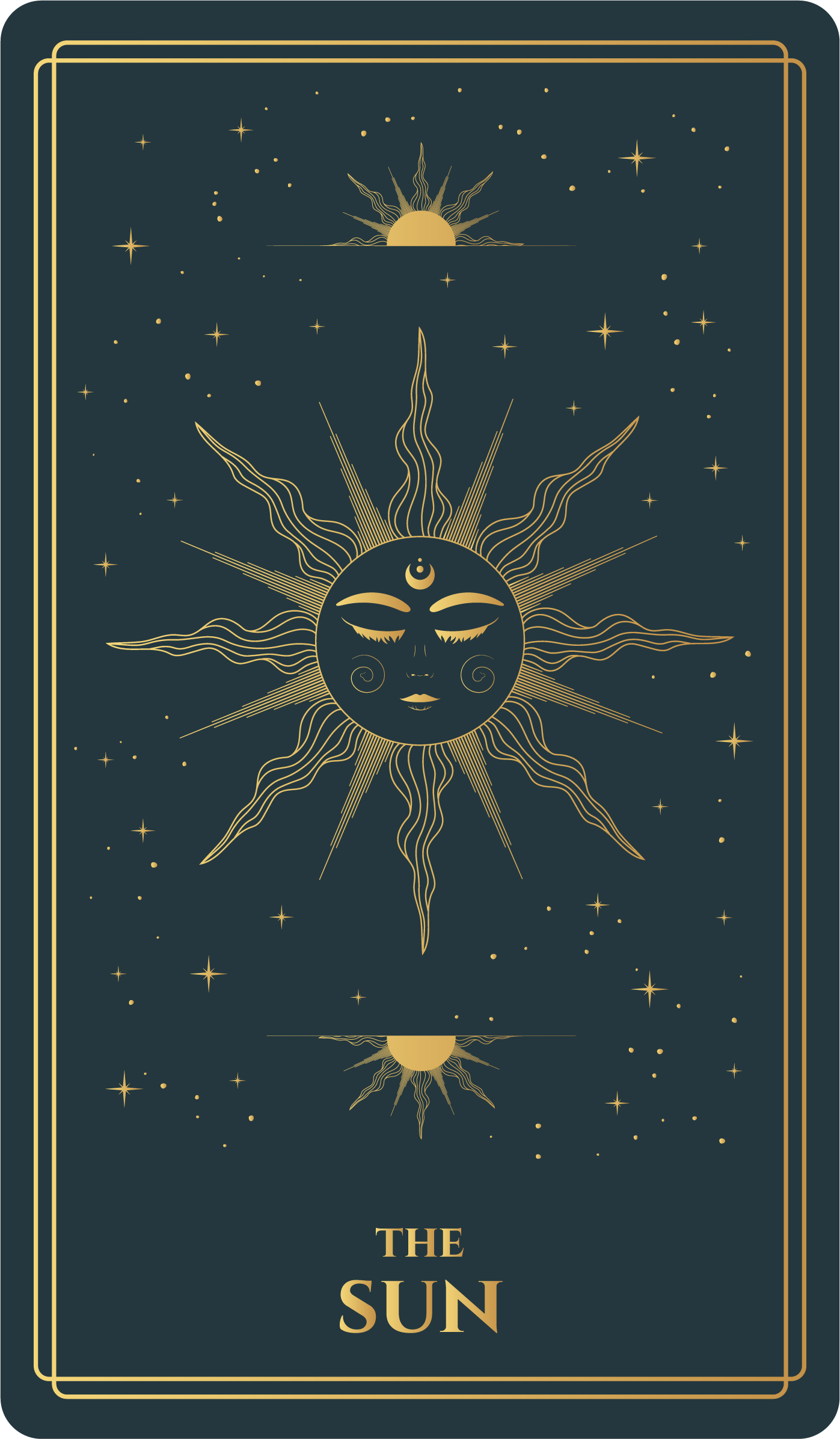
The Sun represents your core identity, your ego in the psychological rather than insulting sense, and the vitality that fuels everything you consciously do. It’s often described as the answer to “who am I becoming,” which is a subtly different question than “who am I right now.” The Sun is aspirational as much as descriptive; it points toward the self a person is actively working to express over the course of a lifetime, not a finished product.
This is also the only one of the Big Three most people already know, since it’s calculated from birth date alone. That familiarity is part of why sun-sign horoscopes feel simultaneously accurate and incomplete: they’re describing a real layer of you, just not the whole of you.
A Sun in Capricorn, for instance, tends to build identity around competence and long-term achievement, gradually earning authority rather than claiming it outright. A Sun in Gemini builds identity around curiosity and range, resisting any single label for very long. Neither description captures the emotional experience underneath, which is the Moon’s territory entirely.
The Moon: The Self Nobody Else Sees
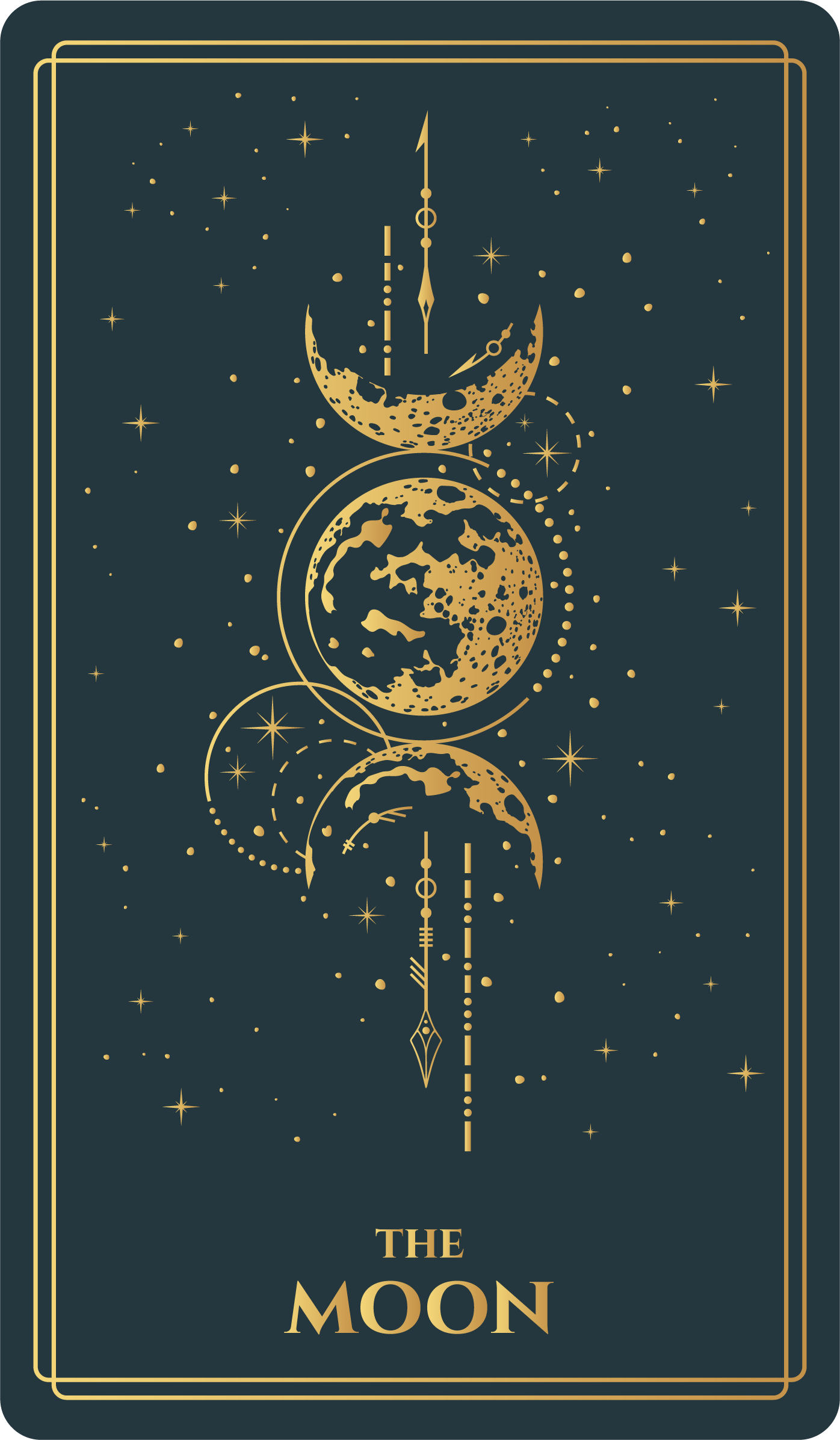
Where the Sun is conscious and outward-facing, the Moon is instinctive and private. It governs your emotional processing, your subconscious needs, and the habits you fall back on without deciding to. Many astrologers consider the Moon the more intimate of the two luminaries: less performed, closer to how you actually feel when there’s no audience.
This is why a birth chart reading that only covers the Sun so often misses the mark. A Sun in Leo craving recognition can sit alongside a Moon in Cancer that just wants to feel safe at home, and those two needs don’t always point in the same direction. Understanding the Moon explains why a person who looks confident from the outside might still need constant private reassurance, or why someone who seems reserved in public might be deeply expressive with the two or three people they actually trust.
Moon sign is also the placement most closely tied to comfort, in every sense of the word, including the culinary one; more on that below.
The Rising: The Self a Stranger Meets First
Your Rising sign, or Ascendant, is the zodiac sign that was rising on the eastern horizon at your exact moment of birth. Because it depends on precise time and location, it’s the hardest of the three to calculate and the one most people learn last, which makes it feel like a revelation when they finally do.
The Rising sign governs first impressions: your general demeanor, your physical bearing, and often your instinctive coping style when meeting new situations. It’s sometimes called the “mask” of the chart, though that word undersells it; a mask implies deception, and the Rising sign is closer to a default setting than a costume. It’s simply the part of you that engages the world before the Sun’s deeper identity or the Moon’s private feelings have had a chance to show through.
A Rising sign in Aries tends to meet new situations head-on, sometimes coming across as blunter or more assertive than the rest of the chart suggests. A Rising sign in Pisces tends to meet the world gently, often absorbing a room’s mood before saying much of anything.
How the Three Interact
The real value of the Big Three shows up when you stop reading the placements in isolation and start noticing how they talk to each other. A chart where all three fall in compatible elements (say, a Fire Sun, Fire Moon, and Fire Rising) tends to feel unusually consistent: the private self, the public self, and the core identity all pulling the same direction. That consistency can be a strength, though it can also mean less internal balance to draw on when one mode isn’t working.
More commonly, the three placements land in different elements or modalities entirely, and that mix is where most of the interesting texture in a personality lives. An Earth Sun grounding a Water Moon’s sensitivity. An Air Rising smoothing over a Fire Sun’s intensity on first meeting. None of these combinations is better or worse than another; they’re simply different internal conversations, and reading a chart well means listening to all three voices rather than picking a favorite.
| Placement | Governs | Best Described As |
|---|---|---|
| Sun | Core identity, ego, vitality | Who you’re becoming |
| Moon | Emotional instinct, subconscious needs | How you feel when no one’s watching |
| Rising | First impression, coping style | How a stranger meets you |
Reading the Gaps Between Placements
The most useful skill in working with your own Big Three isn’t memorizing what each placement means in isolation; it’s noticing where they genuinely disagree and treating that disagreement as information rather than a flaw to explain away. A Sun in ambitious, achievement-oriented Capricorn paired with a Moon in soft, imaginative Pisces isn’t a contradiction to resolve so much as two real, coexisting needs: the drive to build something concrete in the world, and an equally real need for rest, escape, and emotional softness that the Capricorn Sun’s discipline doesn’t naturally provide on its own.
People who understand their own charts well tend to get good at honoring both sides of a gap like that rather than suppressing one placement in favor of the other. A Capricorn Sun who never lets the Pisces Moon rest will likely burn out eventually, however impressive the achievements along the way. A Pisces Moon left completely unchecked by the Capricorn Sun’s structure can drift without direction. The two placements, read together, describe a fuller, more sustainable person than either one manages alone.
The same logic applies to the Rising sign’s relationship with the other two. A Rising sign that reads far more outgoing than the Sun or Moon beneath it, an Aries Rising over a private Cancer Sun and Scorpio Moon, for example, often describes someone who’s learned to lead with confidence as a genuine coping tool, not a mask hiding something false. Understanding that the confident first impression and the private depth underneath are both authentic, just operating at different layers, tends to resolve a lot of the “which one is the real me” confusion that comes up once someone learns all three placements at once.
What This Means in the Kitchen
If your Sun sign shapes your culinary ambitions and your Rising sign shapes your hosting instincts, your Moon sign is usually the one running the show on an ordinary Tuesday. It’s the placement behind the dish you make without a recipe when you’re tired, upset, or simply craving something that feels like home. A Cancer Moon reaches for a family recipe passed down through generations. A Sagittarius Moon reaches for whatever’s most unfamiliar in the pantry, because comfort for that Moon sign often means novelty rather than repetition.
Hearthlight’s existing correspondence library already maps ingredients to element and planet independent of any one person’s chart. Layering your own Sun, Moon, and Rising on top of that library is where the practice becomes personal: the fire-associated ingredients that appeal to your Sun sign, the water-associated comfort foods your Moon sign quietly craves, and the presentation choices your Rising sign gravitates toward when company’s coming.
For a full sign-by-sign breakdown of cooking tendencies, see our zodiac cooking styles guide, and for a closer look at the Rising sign specifically, our piece on what your Rising sign means goes considerably deeper than this overview allows.
A Short Exercise Worth Trying
A useful way to make this material feel less abstract is running a short exercise on your own chart directly. Write one sentence describing what your Sun sign wants to become. Write a second sentence describing what your Moon sign needs to feel safe. Write a third describing how your Rising sign tends to walk into a room. Read the three sentences together, and notice where they reinforce each other and where they genuinely pull apart. Most people find this small exercise clarifies the abstract definitions covered above far faster than reading about the placements in isolation ever manages, since it forces each placement to answer a concrete question about your own specific life rather than a generic one.
Frequently Asked Questions
Which of the three matters most?
None of the three is inherently more important; they answer different questions rather than competing on the same scale. That said, many astrologers consider the Moon the most emotionally revealing of the three, since it describes the private self rather than the presented one.
Can my Sun and Moon be in conflicting elements?
Yes, and it’s common rather than a sign of anything unusual. A Fire Sun with a Water Moon, for example, often produces a person whose outward confidence sits alongside real emotional sensitivity underneath, a combination that can feel contradictory until you understand both placements are simply doing their separate jobs.
Does my Rising sign change how my Sun sign expresses?
To a degree. The Rising sign colors the delivery of the Sun’s identity, the manner in which it first shows up, without changing the underlying identity itself. Think of the Rising sign as the accent and the Sun as the language being spoken.
Why do some people feel more like their Moon sign than their Sun sign?
People closest to you, family especially, often experience your Moon sign more directly than your Sun sign, since the Moon governs the instinctive, private behavior visible in familiar settings. Someone who spends most of their time around family or a long-term partner may come to identify more with their Moon than a Sun sign built for the wider world.
Do I need a full birth chart to understand my Big Three well?
A full chart adds real depth (aspects between the three placements, house positions, and the rest of the planets) but understanding what each of the three means on its own, as covered here, is a solid foundation you can build on later with the full chart reading.
The Hearthlight Team
Bringing magic to your kitchen, one meal at a time.
Topics
Continue reading
More from the grimoire
What Is My Big Three? How to Find Your Sun, Moon, and Rising Sign
Your Big Three means your Sun, Moon, and Rising sign together. Learn what each one answers, why the trio replaced the daily horoscope, and how to find yours.
Read more
How to Read Your Birth Chart: A Beginner's Guide to Your Cosmic Blueprint
Learn how to read a birth chart step by step: planets, signs, houses, and aspects explained plainly, with a free tool to generate your own.
Read more
What Does My Rising Sign Mean? The Astrology of First Impressions
Your Rising sign shapes first impressions, coping style, and how you host a table. Learn what the Ascendant actually governs and why it needs an exact birth time.
Read moreReady to Transform Your Kitchen?
Start meal planning, track your spending, and bring intention to your cooking with Hearthlight.
Start Free Trial