

Hearth notes
The Kitchen Witch's Windowsill Herb Garden: Grow Magic Year-Round
Grow magical herbs year-round on your windowsill. Care guides, magical properties, container tips, and blessings for kitchen witches.
Why Every Kitchen Witch Needs a Windowsill Garden
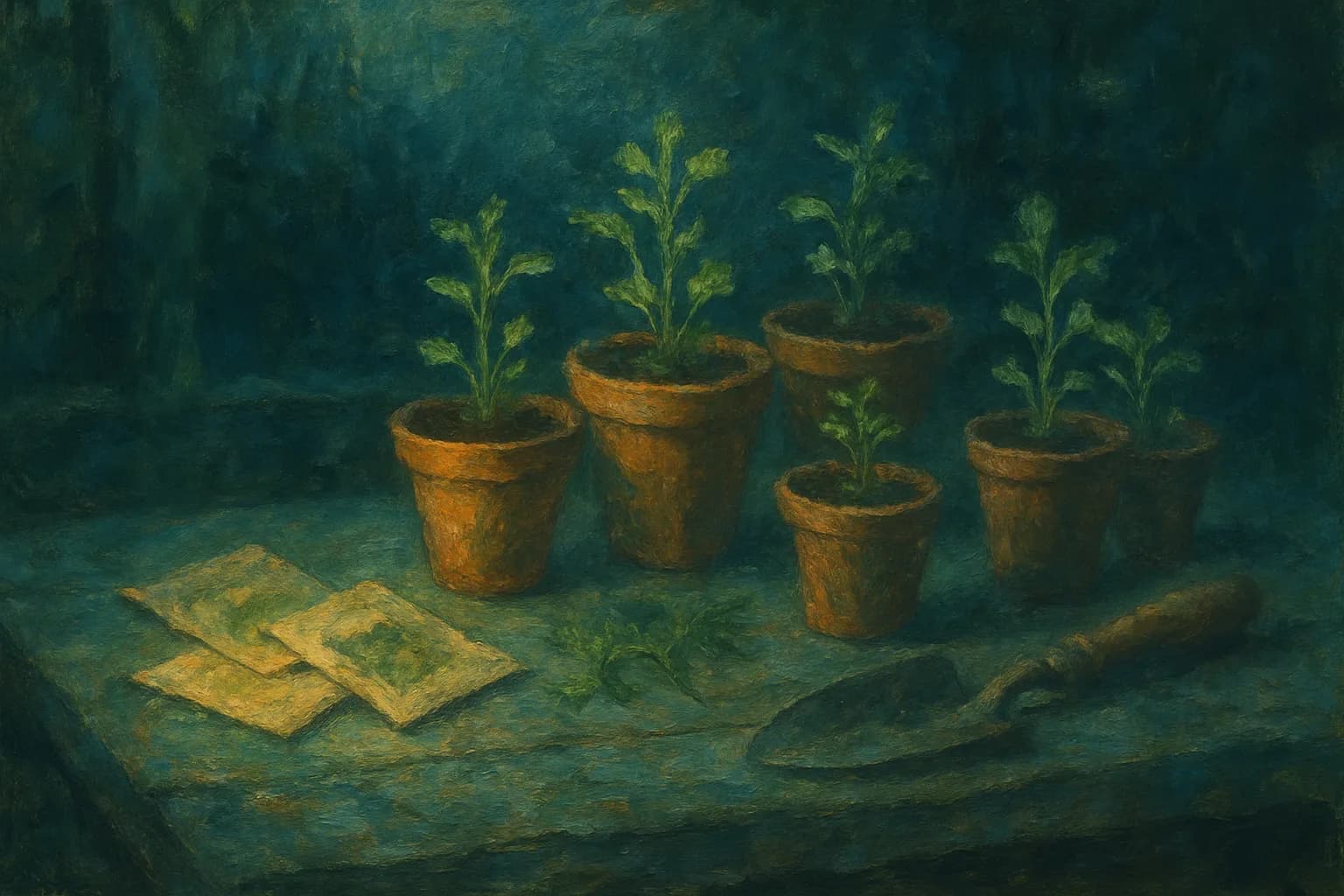
There is something profoundly magical about snipping fresh herbs from a plant you grew yourself and stirring them directly into a simmering pot. The energy of homegrown herbs carries your intention from seed to table, creating an unbroken chain of care that store-bought dried herbs simply cannot replicate. For the kitchen witch, a windowsill herb garden is not a luxury; it is a living altar, a portable grimoire of green magic that grows alongside your practice.
Indoor herb growing also solves a practical problem. Many magical herbs are seasonal, leaving practitioners relying on dried alternatives for half the year. A sunny windowsill extends your growing season indefinitely, giving you access to fresh basil in January, rosemary through the darkest months, and mint whenever a spell or recipe calls for it.
Choosing Your Herbs: The Magical Essentials
Not every herb thrives indoors, and not every indoor-friendly herb serves a magical purpose. The following herbs excel at both.
Basil: Love, Prosperity, Protection
Basil is the cornerstone of kitchen witchcraft. Its bright, warm energy attracts love, draws prosperity, and shields against negativity. Indoors, basil needs the most light of any herb on this list; six or more hours of direct sunlight daily, or supplemental grow lights during winter months. Water when the top inch of soil feels dry, and pinch off flower buds to keep the plant producing leaves. Learn more about basil’s magical properties for detailed correspondences and ritual ideas.
Rosemary: Memory, Purification, Clarity
A woody perennial that adapts well to containers, rosemary thrives in bright, direct light and prefers soil on the drier side. Overwatering is the most common cause of indoor rosemary failure, so let the soil dry out between waterings. Rosemary’s piercing fragrance cleanses stale energy from your kitchen space, making it an ideal herb to place near your stove. Explore rosemary’s deeper magical uses in our dedicated spotlight.
Mint: Healing, Prosperity, Travel Protection
Mint is one of the easiest herbs to grow indoors because it thrives in indirect light and moist soil. In fact, mint grows so aggressively that keeping it in a container is preferable to planting it in a garden bed, where it will take over. Its cooling energy supports healing work, digestive health, and prosperity spells. Keep mint in its own pot; it will overwhelm other herbs if planted together.
Thyme: Courage, Strength, Purification
Thyme prefers bright light and well-drained soil. This compact herb does not demand much space, making it perfect for smaller windowsills. In magical practice, thyme grants courage, strengthens the spirit, and purifies spaces. Burn dried thyme as an incense before cooking to cleanse your kitchen of lingering negative energy.
Sage: Wisdom, Longevity, Cleansing
Common garden sage (Salvia officinalis) grows well in containers with good drainage and full sun. Sage is perhaps the most widely recognized cleansing herb across multiple spiritual traditions. Its silvery-green leaves carry protective energy and promote wisdom. Use fresh sage in cooking to infuse meals with grounding, protective qualities.
Parsley: Protection, Purification, Communication with the Dead
Often overlooked in magical practice, parsley carries powerful protective energy. It grows well in moderate light and consistent moisture. In kitchen magic, parsley protects the home and those who eat it. It also has historical associations with communication across the veil, making it useful in ancestor work and Samhain cooking.
Chives: Protection, Breaking Hexes
These resilient alliums grow happily on a windowsill with moderate to bright light. Like all members of the onion family, chives carry strong protective energy. They break hexes, ward off negative influences, and strengthen boundaries. Their mild onion flavor makes them easy to incorporate into everyday cooking.
Container and Soil Selection
The right container makes the difference between thriving herbs and struggling ones.
Containers
- Terra cotta pots are ideal for most herbs because they are porous, allowing excess moisture to evaporate through the walls. This prevents the waterlogged conditions that kill rosemary, thyme, and sage.
- Ceramic or glazed pots retain moisture longer, making them better for mint and parsley, which prefer consistently moist soil.
- Size matters. Most herbs need a pot at least 6 inches in diameter. Basil and mint prefer 8 to 10 inches.
- Drainage holes are non-negotiable. Without them, water pools at the bottom and roots rot. If you fall in love with a decorative pot that lacks drainage, use it as a cachepot (an outer pot) with a functional growing pot nested inside.
Soil
Standard potting mix works for most herbs, but avoid garden soil, which compacts in containers and suffocates roots. For rosemary, thyme, and sage, mix in extra perlite or coarse sand to improve drainage. For basil and mint, standard potting mix with added compost provides the rich, moisture-retentive environment they prefer.
Light Requirements and Seasonal Adjustments
Light is the most critical factor for indoor herb success. Most culinary and magical herbs evolved in Mediterranean climates with abundant sunshine, and they need six to eight hours of direct light daily.
Maximizing Natural Light
- South-facing windows provide the strongest, most consistent light in the Northern Hemisphere.
- West-facing windows offer good afternoon light, sufficient for most herbs.
- East-facing windows provide gentle morning light, adequate for shade-tolerant herbs like mint and parsley.
- North-facing windows rarely provide enough light for herbs without supplemental lighting.
When Natural Light Is Not Enough
During winter months or in apartments with limited windows, grow lights fill the gap. A simple LED grow light bar positioned 6 to 12 inches above your herbs, running 12 to 14 hours daily, simulates the sunlight herbs need. Many practitioners find that timing grow lights to sunrise and sunset maintains the connection between their herbs and natural solar cycles.
Seasonal Care Adjustments
- Spring and summer: Herbs grow actively. Water more frequently, fertilize monthly with a balanced liquid fertilizer, and harvest regularly to encourage bushy growth.
- Fall and winter: Growth slows. Reduce watering, stop fertilizing, and accept that plants will produce less. Rosemary and thyme may go semi-dormant. This is natural, not a sign of failure.
Blessing and Consecrating Your Garden
A windowsill herb garden that serves magical purposes deserves intentional dedication. Here is a simple blessing ritual you can perform when establishing your garden or at the beginning of each growing season.
A Simple Garden Blessing
- Gather your planted herbs on your windowsill. Light a white candle nearby.
- Ground yourself with three deep breaths. Feel your connection to the earth beneath you.
- Hold your hands over the plants and speak your intention aloud: “I dedicate this garden to nourishment of body and spirit. May these herbs grow strong with purpose, carrying healing, protection, love, and wisdom into every meal I create.”
- Sprinkle a small amount of water over each plant while naming its magical purpose: “Basil, grow with love. Rosemary, grow with clarity. Mint, grow with healing.”
- Allow the candle to burn safely while you spend a few minutes tending to each plant, checking soil moisture and removing yellowed leaves.
- Close by thanking the plants for their partnership in your practice.
Ongoing Connection
Magical herbs respond to attention. Speak to your plants when you water them. Thank them when you harvest. This is not mere sentiment; studies in plant biology suggest that the carbon dioxide and vibrations from human speech may benefit plant growth. Whether the mechanism is scientific, magical, or both, the result is healthier plants and a deeper practice.
Harvesting with Intention
How you harvest matters as much as how you grow. In kitchen witchcraft, harvesting is a ritual act of exchange between practitioner and plant.
Harvesting Guidelines
- Morning harvest captures the highest concentration of essential oils, which carry the herb’s magical potency.
- Never take more than one-third of a plant’s foliage at once. Taking more stresses the plant and weakens its energy.
- Use sharp scissors or pruning snips. Clean cuts heal faster than ragged tears.
- Harvest from the top. Cutting just above a leaf node encourages the plant to branch, producing more foliage.
- Thank the plant. A simple “thank you” as you snip acknowledges the reciprocal relationship.
Moon Phase Harvesting
Align your harvesting with lunar cycles to enhance magical potency:
- Waxing moon: Harvest herbs for attraction, growth, and abundance spells
- Full moon: Harvest herbs for maximum potency on any intention
- Waning moon: Harvest herbs for banishing, releasing, and protective work
- New moon: Rest; avoid harvesting if possible to honor the cycle of renewal
Learn more about cooking by moon phases for detailed lunar timing guidance.
Troubleshooting Common Indoor Herb Problems
Leggy, Stretched Growth
The plant is reaching for more light. Move closer to the window or add a grow light.
Yellowing Lower Leaves
Usually overwatering. Let soil dry out more between waterings, especially for rosemary, thyme, and sage.
Brown Leaf Tips
Low humidity. Indoor heating during winter dries the air. Group pots together (plants create a micro-humidity zone) or place pots on a tray of pebbles with water beneath.
Pests (Aphids, Fungus Gnats)
Inspect new plants before bringing them inside. For aphids, spray with diluted neem oil. For fungus gnats, let soil dry out more and use sticky traps.
Wilting Despite Moist Soil
Root rot from overwatering. Repot into fresh, well-drained soil and water less frequently.
From Windowsill to Table
Your windowsill garden is a living ingredient shelf, a magical toolkit, and a daily reminder that the most powerful kitchen magic starts with intention planted in soil. Each herb carries centuries of traditional wisdom encoded in its leaves, and growing them yourself adds your personal energy to that ancient lineage.
Hearthlight’s garden planner helps you track your indoor and outdoor herbs, set watering reminders, and log the magical properties of each plant in your collection. The correspondences database connects your homegrown herbs to specific intentions, making it easy to choose the right herb for tonight’s spell or tomorrow’s soup.
For further reading on magical herb gardening, explore Arin Murphy-Hiscock’s The Green Witch and Scott Cunningham’s Cunningham’s Encyclopedia of Magical Herbs. The Old Farmer’s Almanac herb growing guide provides excellent horticultural advice for indoor and outdoor gardens alike.
The Hearthlight Team
Bringing magic to your kitchen, one meal at a time.
Topics
Continue reading
More from the grimoire


Growing a Magical Herb Garden for Your Kitchen
Grow your own magical herbs for cooking and spellwork. Learn which herbs to grow, how to care for them, and how to use them in kitchen magic.
Read more

Cooking with Magical Herbs: Transform Your Meals with Plant Wisdom
Discover the magical properties of common culinary herbs. Learn how to use herbs intentionally for kitchen magic.
Read more

Basil and Love: Magical Properties and Kitchen Uses
Basil means love, protection and money in Cunningham's kitchen book. Compare its correspondences, cook pesto and store fresh basil safely.
Read moreReady to Transform Your Kitchen?
Start meal planning, track your spending, and bring intention to your cooking with Hearthlight.
Start free